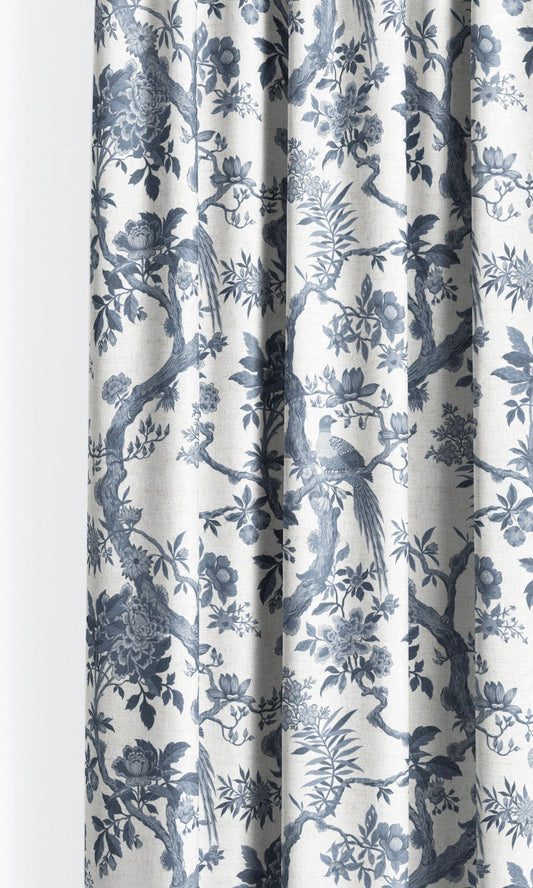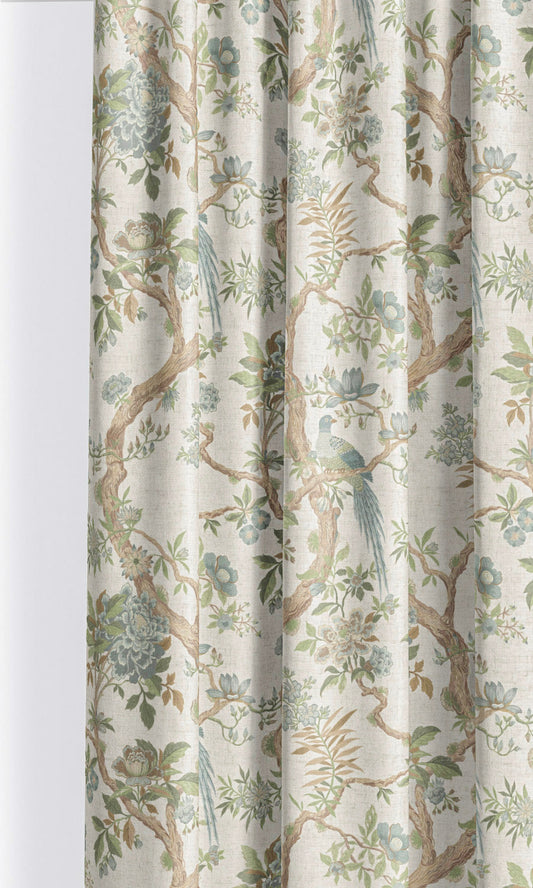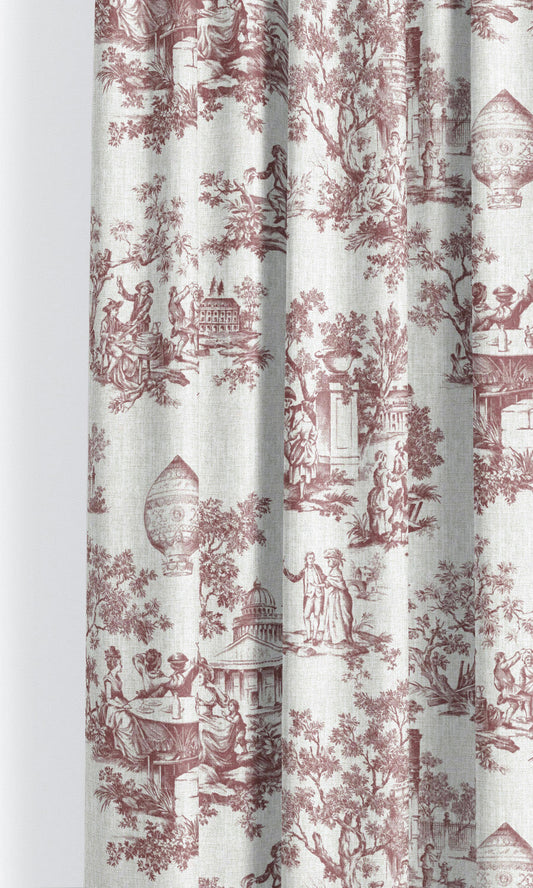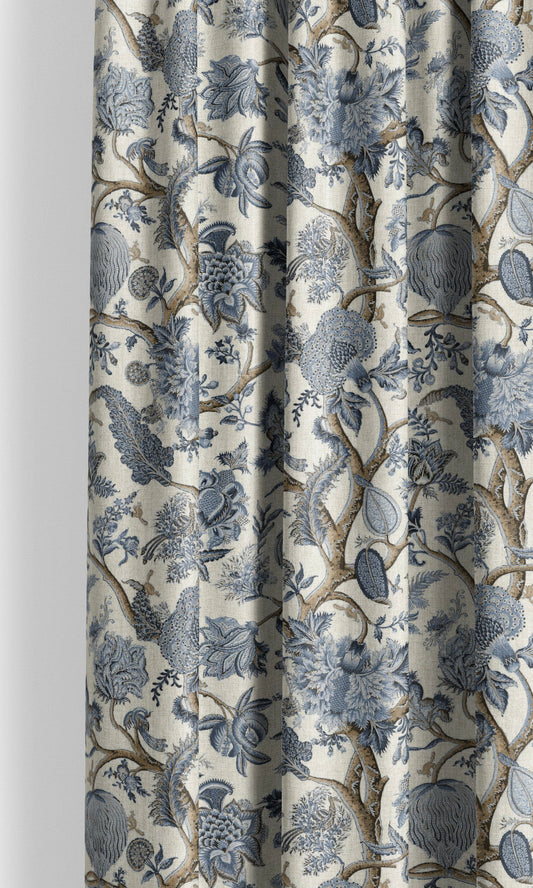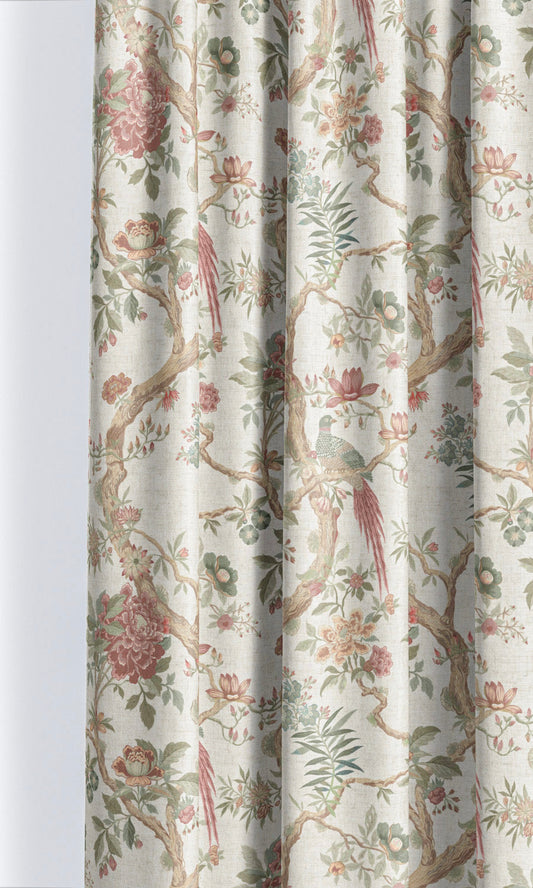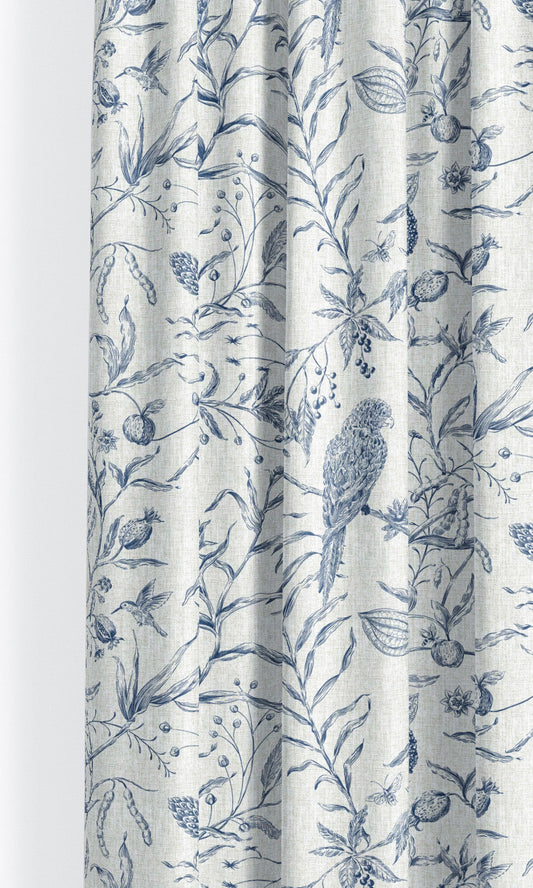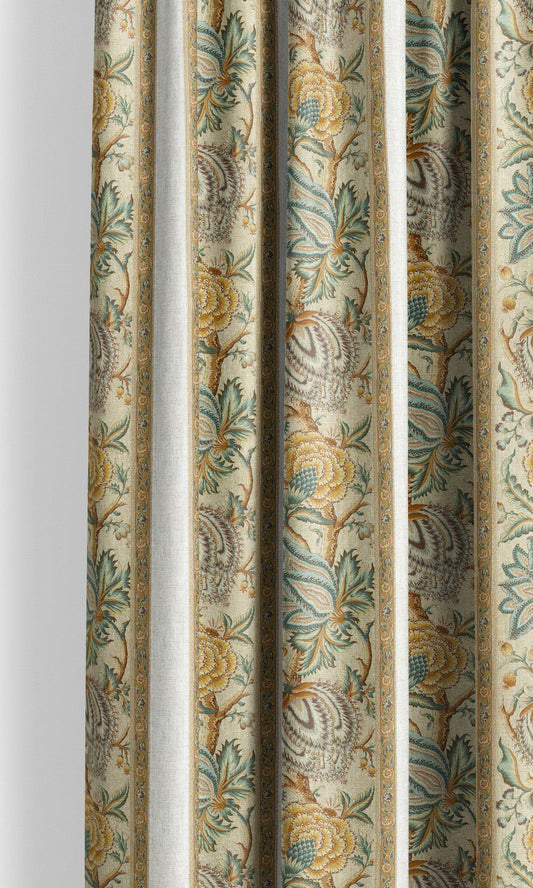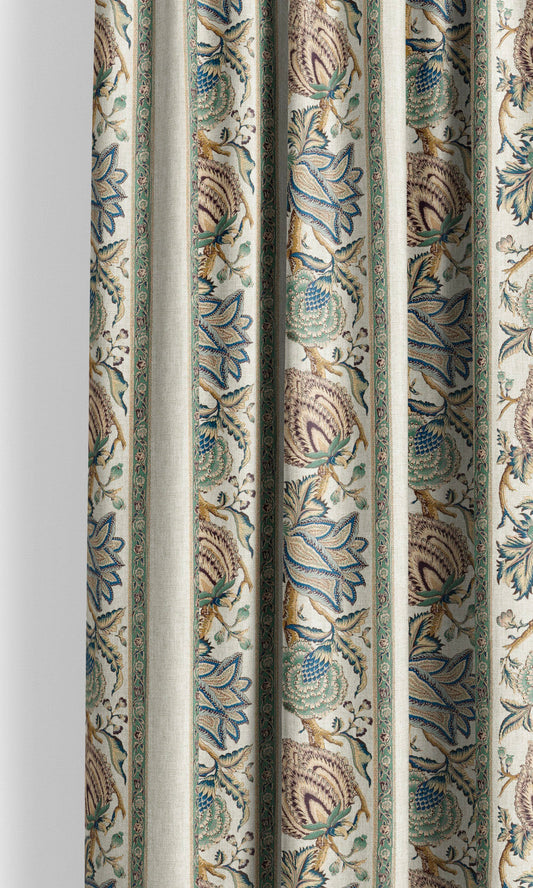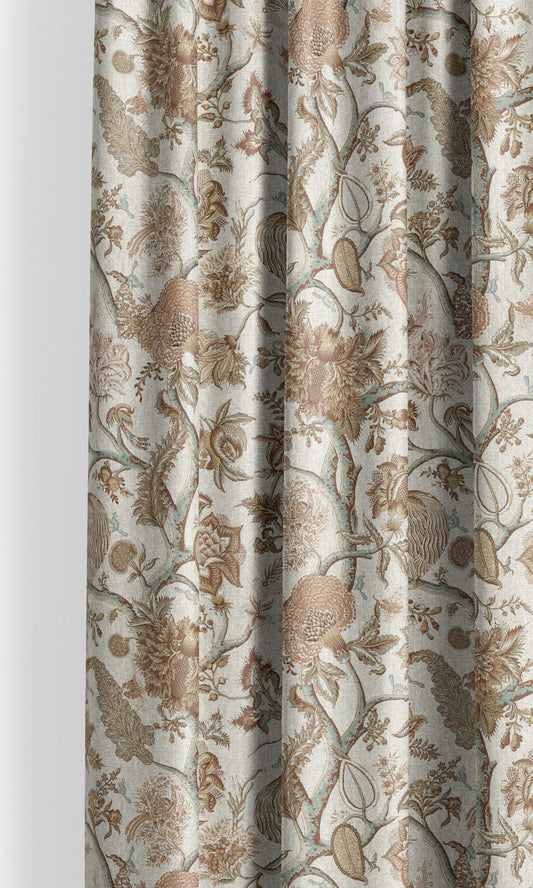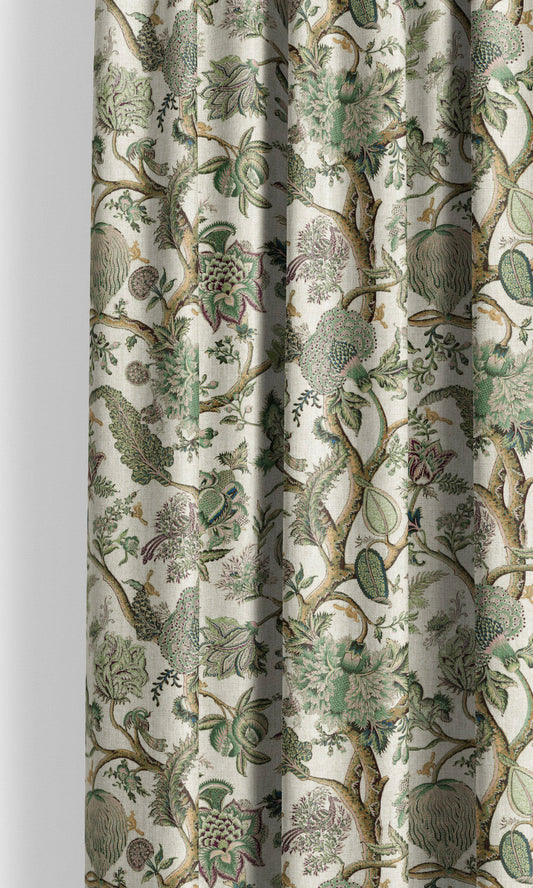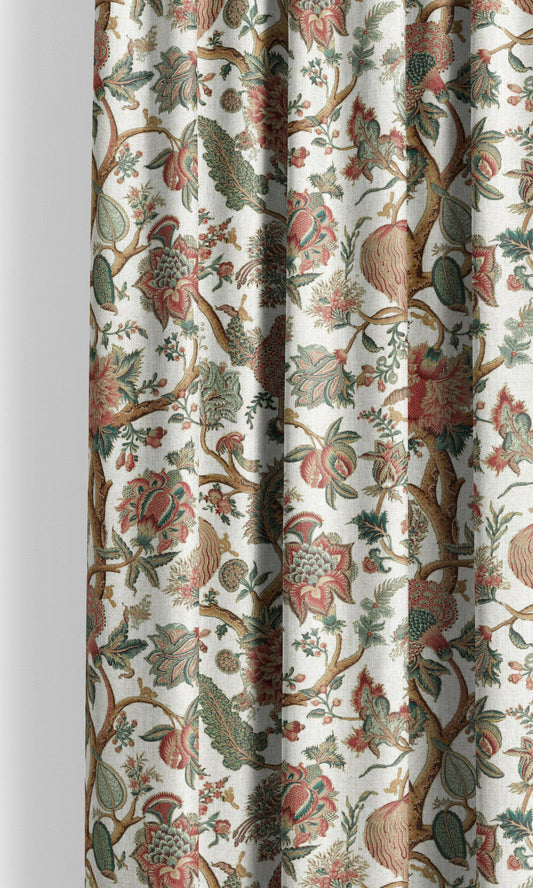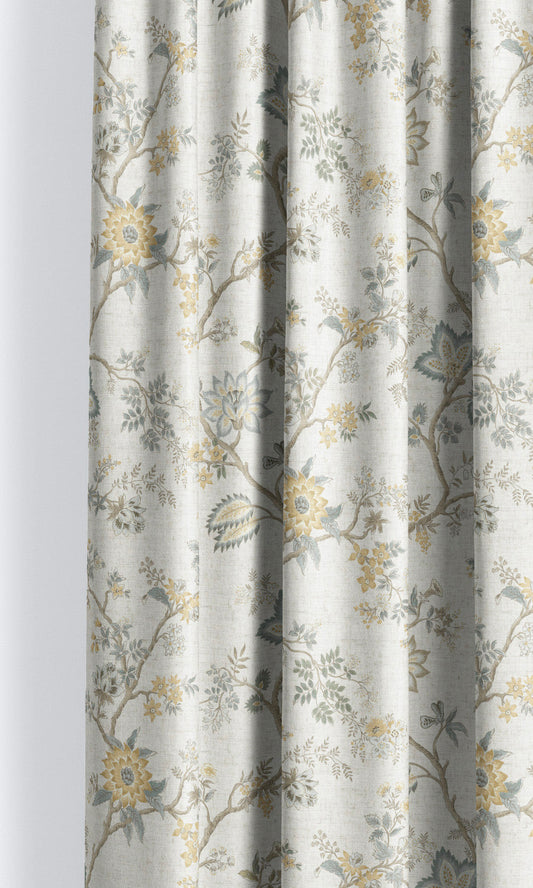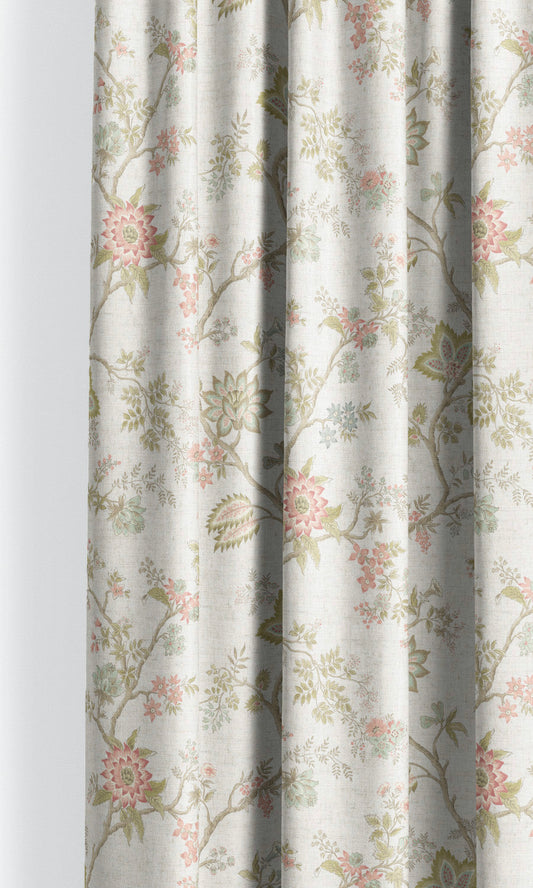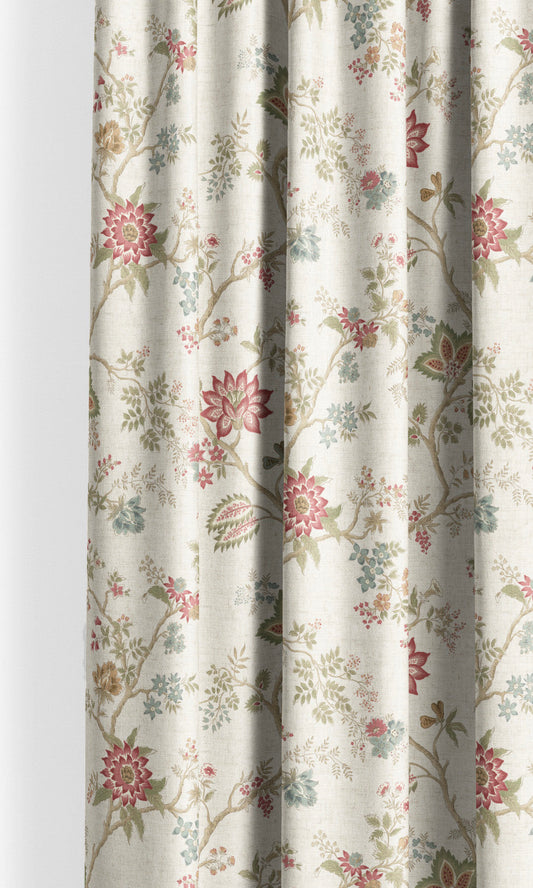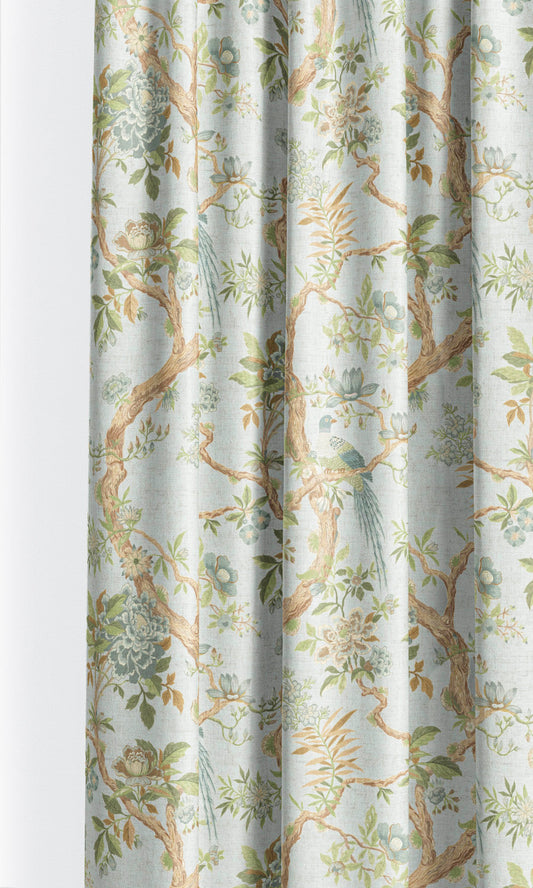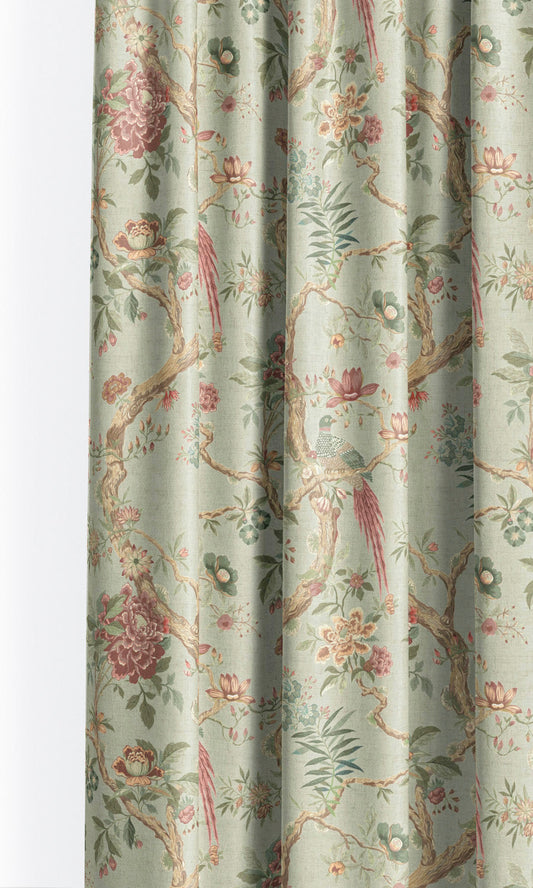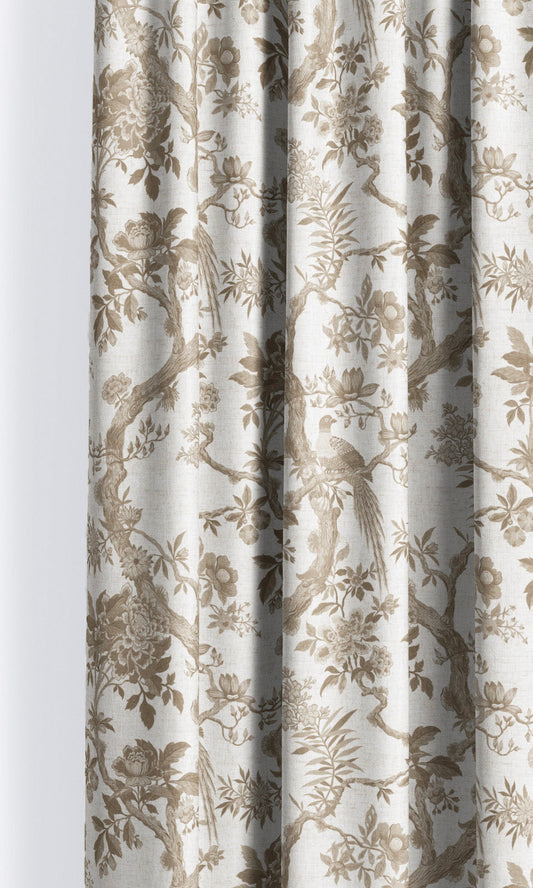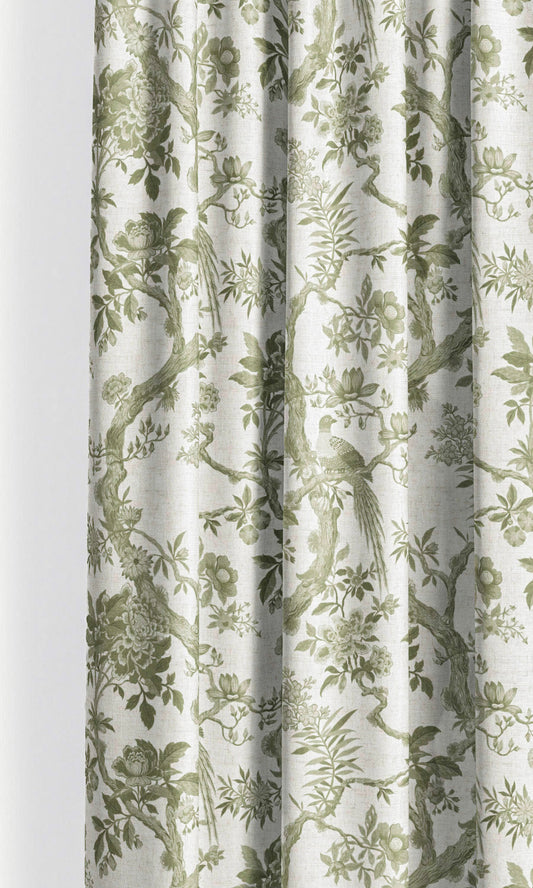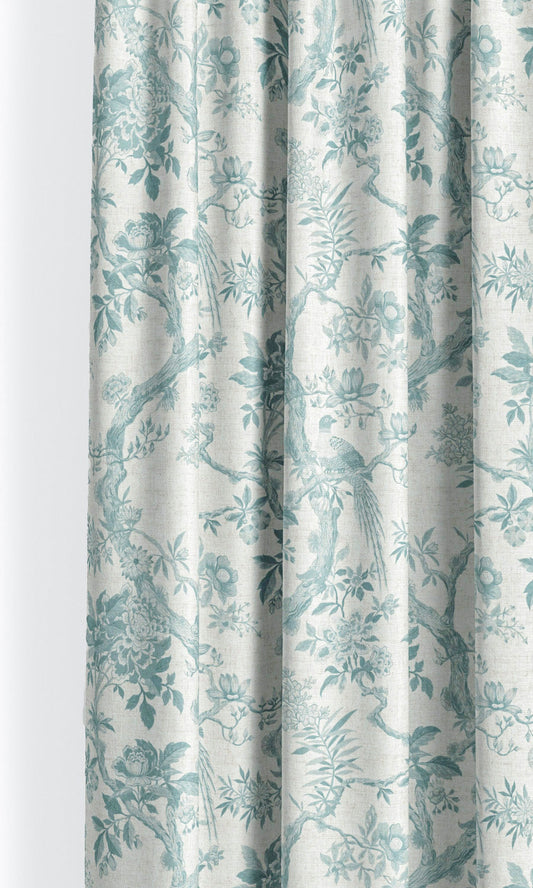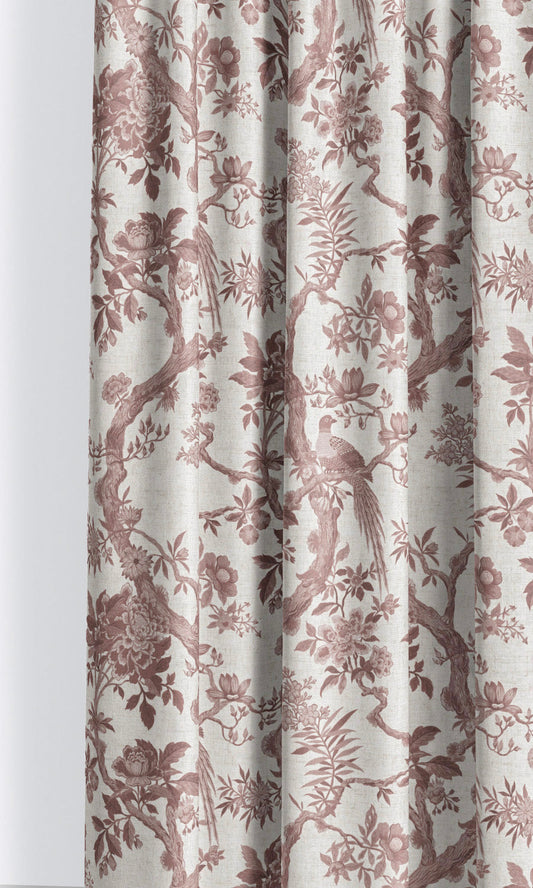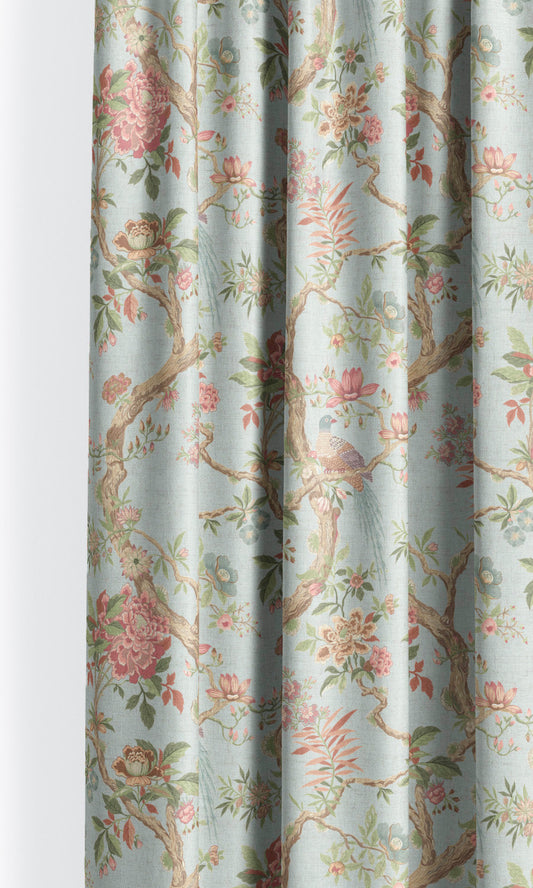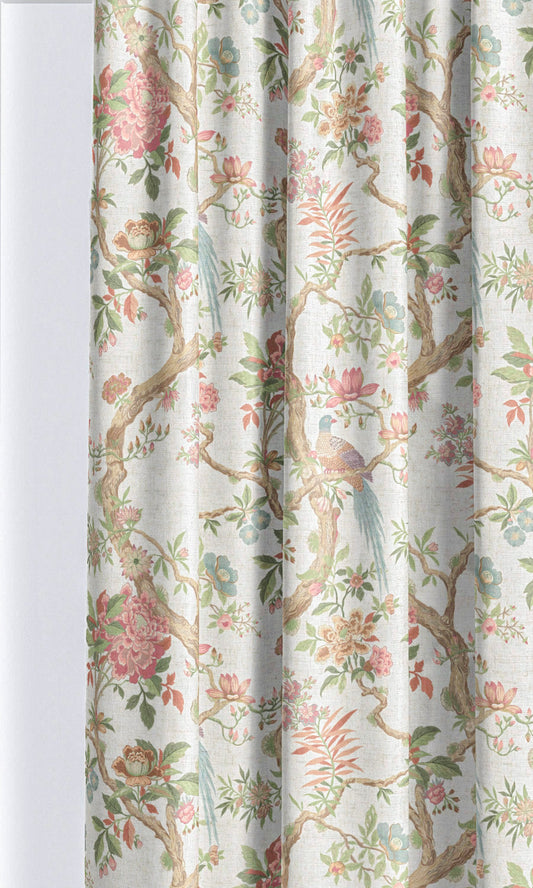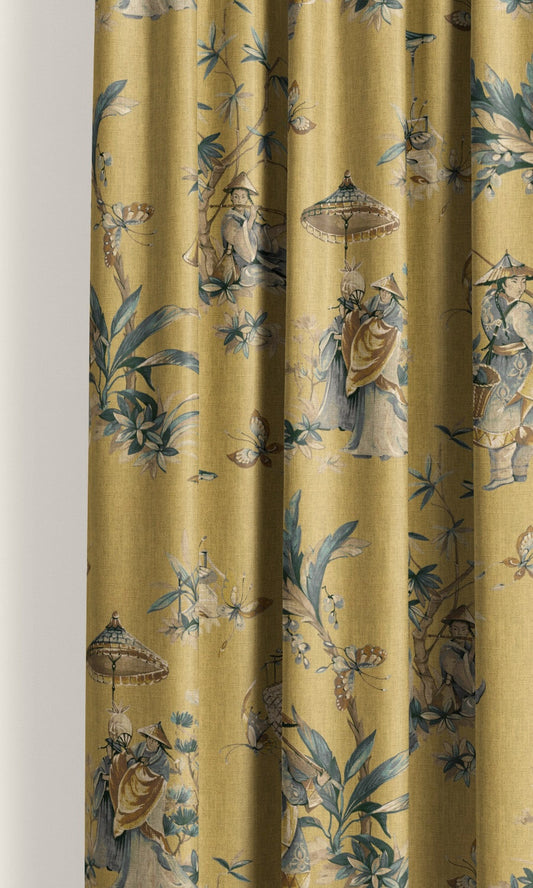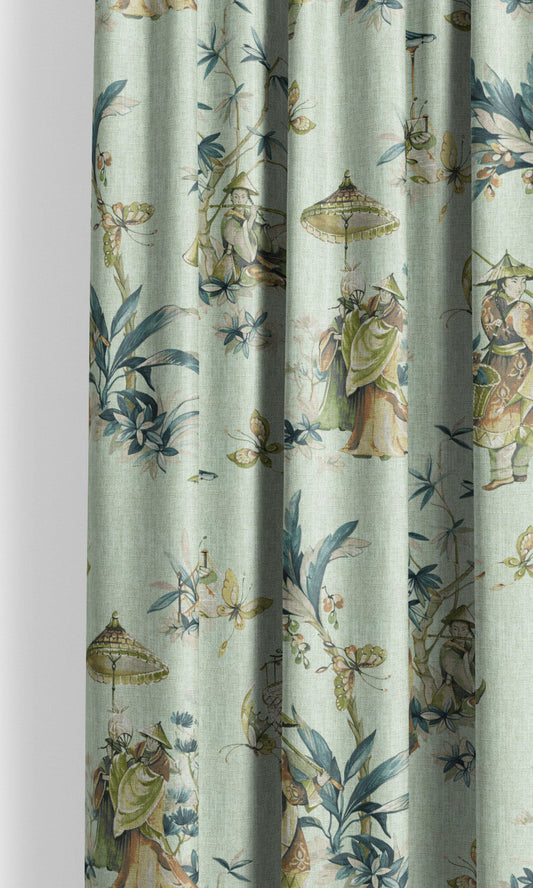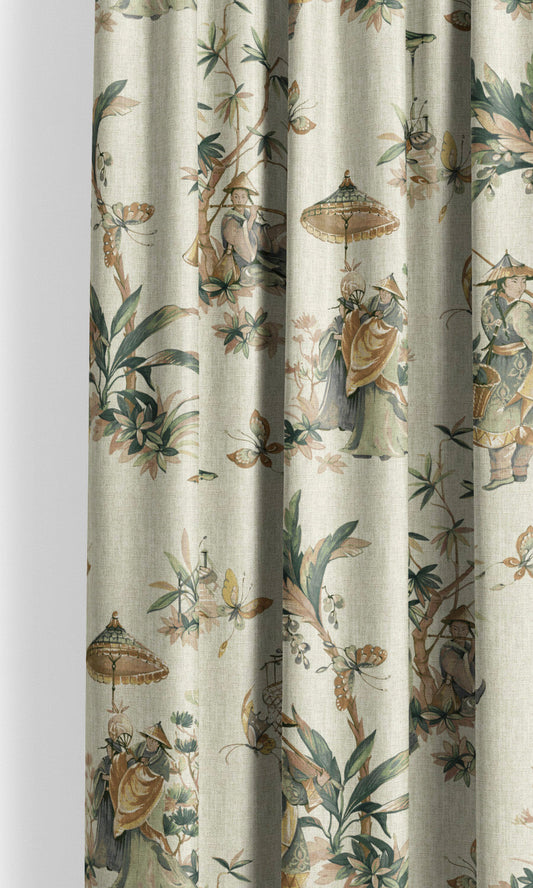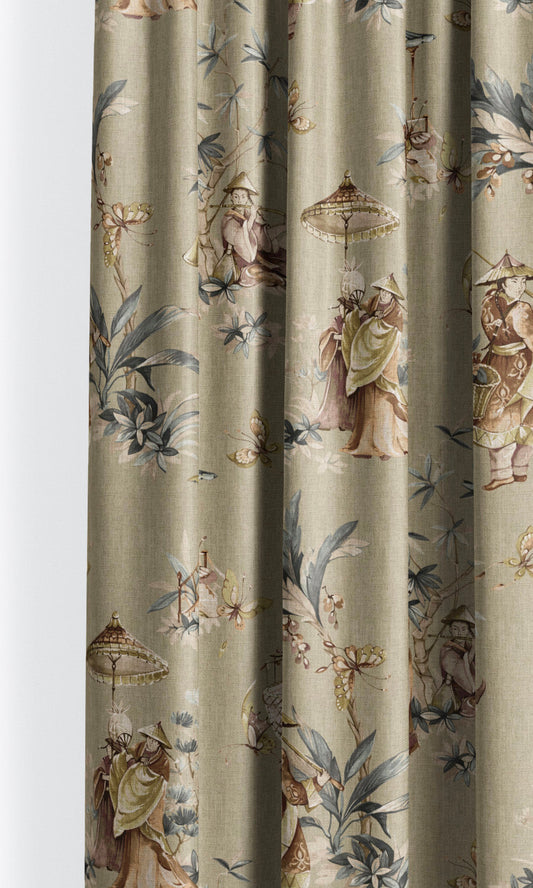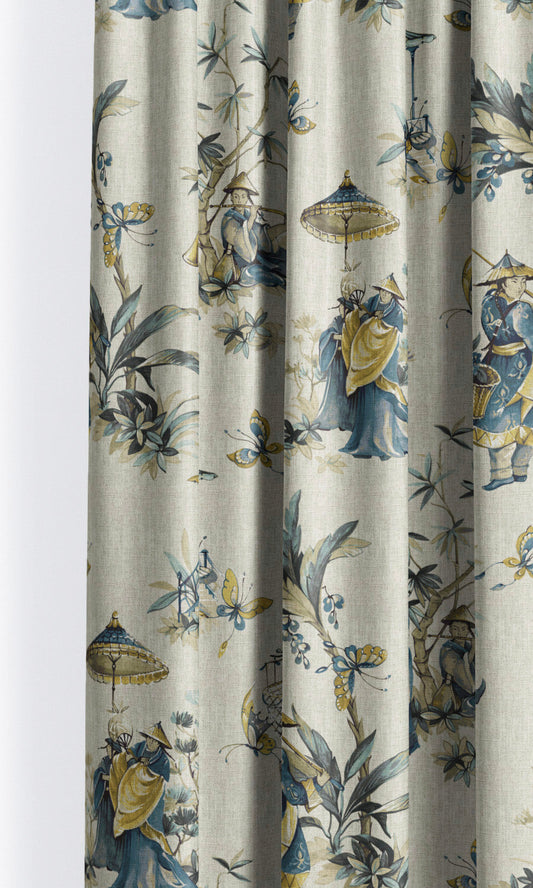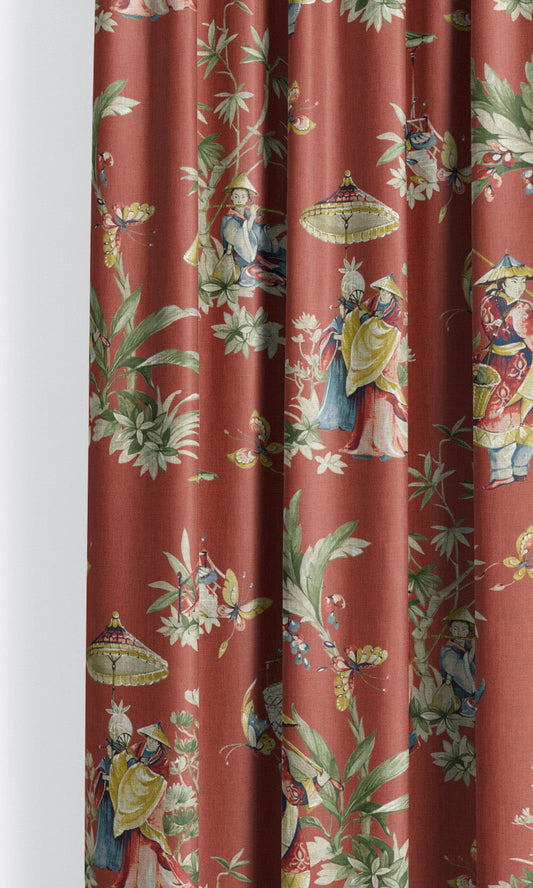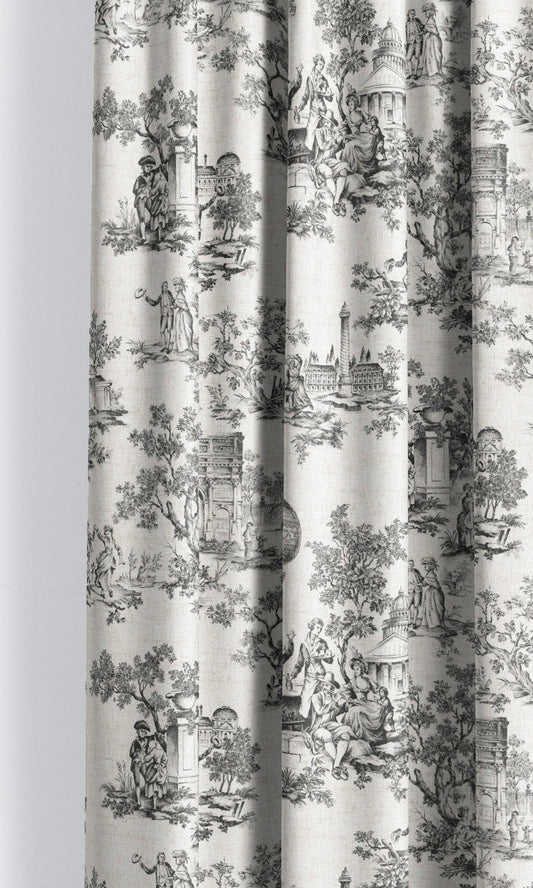


In homes where window coverings aren’t regarded as mere functional obligations but as invitations to indulge in art, toile roman shades and chinoiserie window blinds step in. From lovers reclining beneath willows to dragons coiling languidly around pagodas, toile and chinoiserie transform fabric into richly layered narratives of fantasy, romance, and a lingering sense of nostalgia. And roman shades - free of pleats, frills, or ripples - lend these expressive motifs a fitting stage for display, much like an easel-mounted canvas that holds every brushstroke in crisp focus.
Beyond their artistic allure, toile window blinds and chinoiserie roman shades also give voice to history and heritage. These picturesque motifs have travelled far from 18th-century Versailles boudoirs to Georgian parlors, from Charleston’s Federal-style homes to Nancy Lancaster’s famously yellow living rooms. Never confined to a single era, toile and chinoiserie continue to thrive in well-loved homes even today. When set against modern architecture and clean-lined interiors, they read fresh, layered, and timeless, bridging centuries and diverse aesthetic sensibilities with ease.
Our chinoiserie and toile roman shades are a mix of authentic and reimagined versions that can adapt to both traditional and modern interiors. But sometimes, one needs a little more than an eye for detail to style a room with these storied motifs. Hence, we bring you tried-and-tested tips from our inhouse stylists to dress any room with toile and chinoiserie roman shades.
MORE FROM THE STORE: Toile & Chinoiserie Curtains | Floral Roman Shades | Damask & Paisley Roman Shades
Balance the Soft Narrative with Sharp Lines
In Nancy Lancaster's English country homes and Georgian classics like Houghton Hall, romantic toiles sat proudly with striped upholstery and clean-lined paneling. Where toile lent organic beauty and softness, stripes contrasted with their precision and sharpness. These prints may have diverse personalities, but that makes them compatible partners, rather than clashing competitors. So, if you ask who’s toile and chinoiserie’s best companion in the vast universe of patterns, the answer is a confident unanimous “geometrics”. Patterns like stripes and checks provide a steady counterpoint, grounding the flowy lines and narrative richness of toile and chinoiserie, while allowing their storied beauty to shine.
That’s why we recommend pairing your toile and chinoiserie roman shades with straight-edged patterns in other furnishings of the room. Think gingham table runners against the backdrop of toile roman shades in rustic cottages, and pinstriped dining chairs against chinoiserie roman shades in modern minimalist interiors—ensuring the pattern mix becomes a mouthpiece of your design style, all along.
Add Solids to the Mix for Visual Balance
If toile and chinoiserie roman shades are conversation pieces, solids are the silences that make them heard. Therefore, pitch your chinoiserie and toile roman shades against plain walls that let them stand out. Either choose a neutral tone wall paint that will naturally recede into the backdrop, letting the print be the star of the show. Or, pick the strongest accent tone of your print, engaging your shades in a quiet conversation with their backdrop. Also, interpolate solids through smaller elements like rugs, cushions, and accessories. The idea is to continue the conversation started by your chinoiserie and toile roman shades, while balancing it with meaningful pauses in the form of plains.
Be Wise with Fold Style
Sewn’s roman shades come in three popular fold styles: flat folds with back slats, plain folds with front slats, and European relaxed folds. They are each a unique combination of form and function, complementing varied styles of interiors. When it comes to chinoiserie & toile roman shades, we recommend styles with a clean, continuous frontage that let the motifs be presented in the best light.
The back slatted flat fold style - with its slat-free, uninterrupted clean frontage - lets the pattern read almost like a mural when the shade is down. On a similar note, the European relaxed fold style with its gentle scalloped bottom adds a softness that suits the romantic spirit of these patterns.
The front slatted plain fold style remains our stylists’ least favored pick for chinoiserie and toile roman shades since the raised silhouettes of the slats run across the face of the fabric in this style, thereby affecting the pattern’s visual continuity.
Layer with Drapes and Valances
Toile and chinoiserie already possess the richness of a painting, but a thoughtful layer can elevate them from beautiful to breathtaking. When paired with full-length drapes or a crowning valance, your chinoiserie and toile roman shades can gain depth, dimension, and that elusive air of completeness seen in well-dressed rooms.
The key to mastering this layered look lies in making a complementary pair. If your roman shade features a classic blue on white toile, frame it with solid drapes or valances in the same blue, tying the color story together flawlessly. For a more subtle approach, choose plain white curtains or valances, and edge them with blue trims to foster visual symphony.
MORE FROM THE STORE: Custom Curtains | Custom Valances
Choose What Syncs With Your Style
Your choice of fabric should echo whether your toile and chinoiserie roman shades lean toward history and heritage or to a more modern vision of creative luxury. While the cottage aesthetic calls for classic versions paired with timeworn texture, modern decor looks for reimagined avatars with crisp details. So, the trick lies in finding the print that best aligns with your aesthetic as regards palette and detailing, and then styling the room suitably to make every element belong to each other.
A color-brimming maximalist home may find its heartbeat in the bright detailing of Winter Flower or the plush velvet Arabian Gulf. Pair them with antique mahogany, filigree-framed mirrors, and royal fringe trims to heighten their drama. In a rustic setting, classic renditions like the navy blue Stormy Hedge find their rightful home beside slubbed linen runners and handwoven baskets. But what of modern homes with quieter design schemes, you ask? We bring you black and white toile options like Aabdeen that tell a story but in a whispered voice.
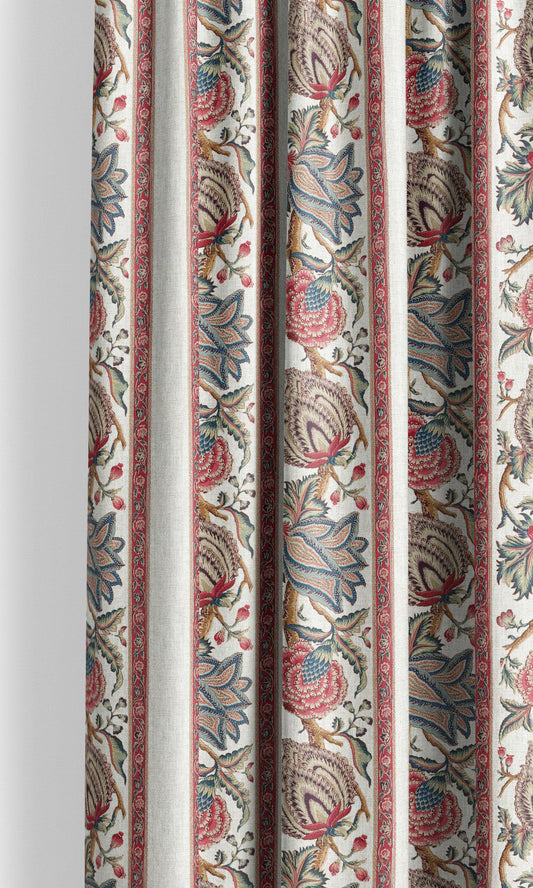
And if your taste cannot be boxed up in these frames, try something adventurous. Consider a fabric like Tawny Rose, that marries the embellished beauty of chinoiserie florals with the geometric crispness of stripes. Or, pair a classic print with clean-lined mid-century furniture, creating a tension between a storied print and a minimalist form that feels editorial.
To Sew It All Up
Toile and chinoiserie may have begun as fantasies of faraway places in historic mansions and rural cottages, but today, they belong to every home that yearns for a touch of poetry in its decor. And the ideal way to introduce them to contemporary settings is through roman shades that blend drapery’s softness with the crispness of modern blinds.
When drawn across a window in the measured lines of a roman shade, chinoiserie and toile double up as murals that possess the clever skill of appearing on demand. These shades are reminders that heritage motifs can tell their enchanting stories without drowning the room in the historic trope. They are there to lend their charm without overpowering the room, and the strings of control are literally in your hands. So, end your wait, and plunge into our world of toile and chinoiserie roman shades, where every taste will find its echo.

-
'Sky Fern' Toile/ Chinoiserie Floral Custom Size Roman Shades (White/ Blue)
Price:
Regular price From $130.00Regular priceUnit price per -
'Spring Welcome' Chinoiserie/ French Floral Custom Roman Shades (Powder Blue/ Soft Green)
Price:
Regular price From $130.00Regular priceUnit price per -
'Rose Flame' Toile de Jouy Custom Roman Shades (Maroon Red/ White)
Price:
Regular price From $130.00Regular priceUnit price per -
'Sioux Falls' Floral Custom Size Roman Shades (Indigo Blue/ Tawny Brown)
Price:
Regular price From $130.00Regular priceUnit price per -
'Piano Keys' Chinoiserie/ French Floral Custom Roman Shades (Warm White/ Soft Maroon/ Sage Green)
Price:
Regular price From $130.00Regular priceUnit price per -
'Rain Comfort' Botanical Toile Custom Roman Shades (Navy Blue/ White)
Price:
Regular price From $130.00Regular priceUnit price per -
'Ghost Orchid' French Floral Stripes Custom Size Window Shades (Honey Yellow/ Stone Blue/ Beige)
Price:
Regular price From $130.00Regular priceUnit price per -
'Sea Haze' French Floral Stripes Bespoke Fabric Blinds (Seafoam Green/ Blue/ Salmon Beige)
Price:
Regular price From $130.00Regular priceUnit price per -
'Tawny Rose' French Floral Stripes Custom Roman Shades (Coral Red/ Blue/ Greige)
Price:
Regular price From $130.00Regular priceUnit price per -
'Lost Locket' Floral Custom Size Window Shades (Creamy-Beige/ Burnt Orange/ Powder Blue)
Price:
Regular price From $130.00Regular priceUnit price per -
'Terrapin Green' Floral Custom Roman Blinds (Leaf Green/ Tawny Brown)
Price:
Regular price From $130.00Regular priceUnit price per -
'Wynwood' Floral Bespoke Window Blinds (Red/ Forest Green)
Price:
Regular price From $130.00Regular priceUnit price per -
'Gloucester' Chinoiserie Floral Custom Roman Shades (Cream/ Yellow/ Steel Blue)
Price:
Regular price From $130.00Regular priceUnit price per -
'Bee Orchid' Chinoiserie Floral Custom Roman Shades (Cream/Soft Pink/ Sage Green)
Price:
Regular price From $130.00Regular priceUnit price per -
'Ancient Ivory' Chinoiserie Floral Made-to-Measure Shades (Cream/ Red/ Olive Green)
Price:
Regular price From $130.00Regular priceUnit price per -
'Cuddle Bug' Chinoiserie/ French Floral Custom Roman Blinds (Duck Egg Blue/ Peach Brown)
Price:
Regular price From $130.00Regular priceUnit price per -
'Breezy Moments' Chinoiserie/ French Floral Custom Size Roman Shades (Sage Green/ Burgundy Red)
Price:
Regular price From $130.00Regular priceUnit price per -
'Gentle Cuddle' Toile/ Chinoiserie Floral Bespoke Window Blinds (Warm White/ Taupe Brown)
Price:
Regular price From $130.00Regular priceUnit price per -
'Woodland Sway' Toile/ Chinoiserie Floral Custom Roman Blinds (Warm White/ Green)
Price:
Regular price From $130.00Regular priceUnit price per -
'Covelong' Toile/ Chinoiserie Floral Custom Fabric Blinds (White/ Pastel Teal Blue)
Price:
Regular price From $130.00Regular priceUnit price per -
'Sunset Foliage' Toile/ Chinoiserie Floral Custom Roman Shades (White/ Sepia Red)
Price:
Regular price From $130.00Regular priceUnit price per -
'Ring Whispers' Chinoiserie/ French Floral Custom Roman Blinds (Powder Blue/ Blush Pink)
Price:
Regular price From $130.00Regular priceUnit price per -
'Sweet Spell' Chinoiserie/ French Floral Made-to-Measure Shades (Warm White/ Blush Pink/ Green)
Price:
Regular price From $130.00Regular priceUnit price per -
'Summer Sun' Chinoiserie Floral Bespoke Window Shades (Yellow Ochre/ Hague Blue)
Price:
Regular price From $130.00Regular priceUnit price per -
'Picture Perfect' Chinoiserie Floral Made-to-Measure Shades (Aqua Blue/ Green)
Price:
Regular price From $130.00Regular priceUnit price per -
'Rapidus' Chinoiserie Floral Custom Roman Blinds (Cream/ Pale Green)
Price:
Regular price From $130.00Regular priceUnit price per -
'Leather Pouch' Chinoiserie Floral Custom Roman Shades (Olive Beige/ Brown/ Blue)
Price:
Regular price From $130.00Regular priceUnit price per -
'Audacia' Chinoiserie Floral Custom Size Window Shades (Parchment Cream/ Aegean Blue)
Price:
Regular price From $130.00Regular priceUnit price per -
'Winter Flower' Chinoiserie Floral Bespoke Fabric Blinds (Brick Red/ Green)
Price:
Regular price From $130.00Regular priceUnit price per -
'Aabdeen' Toile Print Made-to-Measure Shades (Black & White)
Price:
Regular price From $130.00Regular priceUnit price per